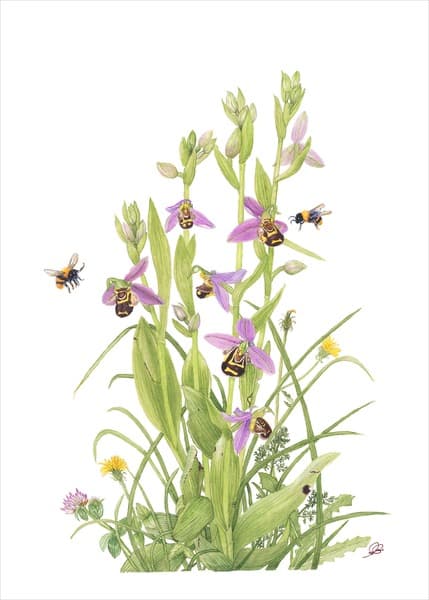
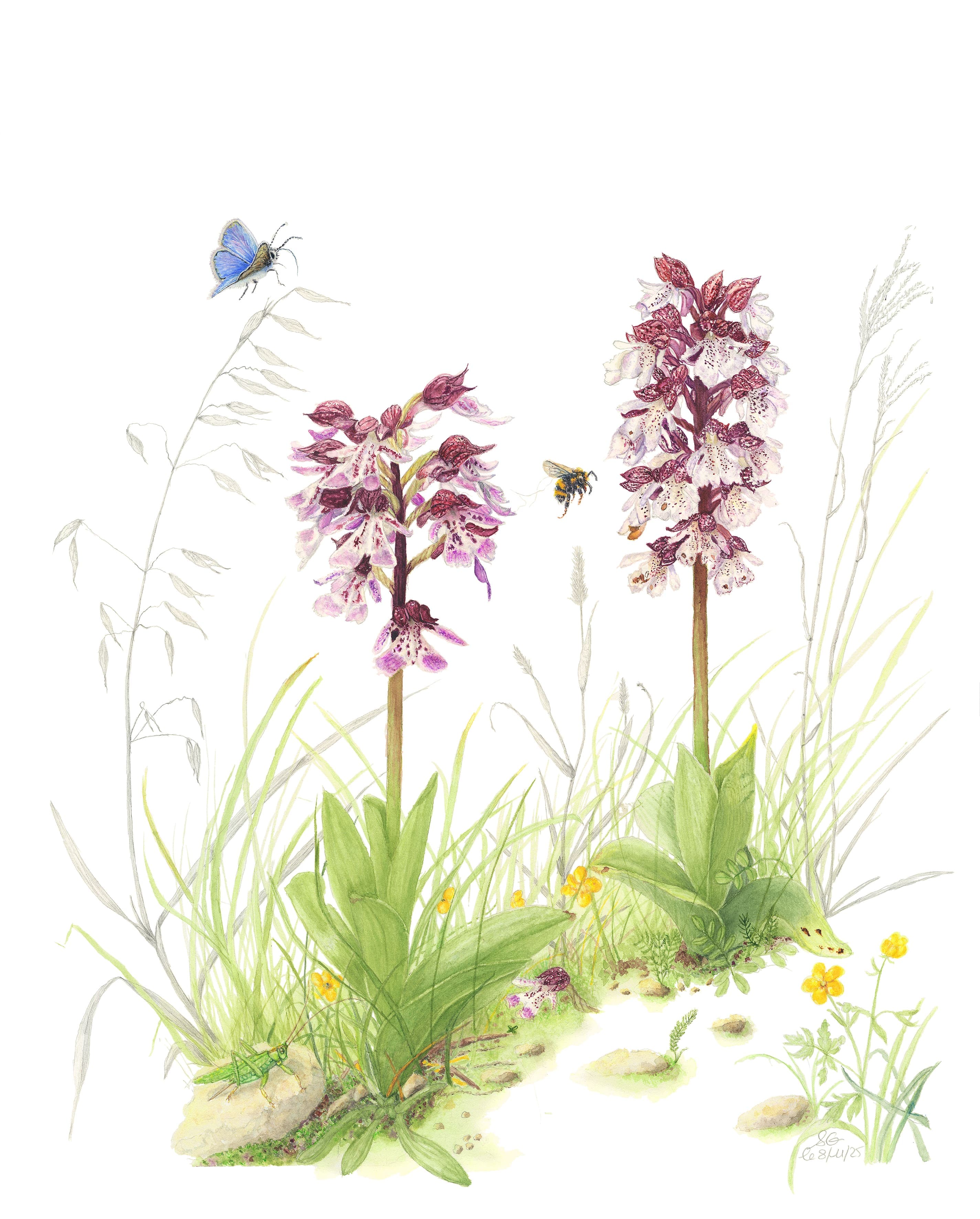
The art of botanical watercolour: between science and poetry
A look into the centuries-old tradition of botanical illustration, where scientific rigour meets the artist's sensitivity.
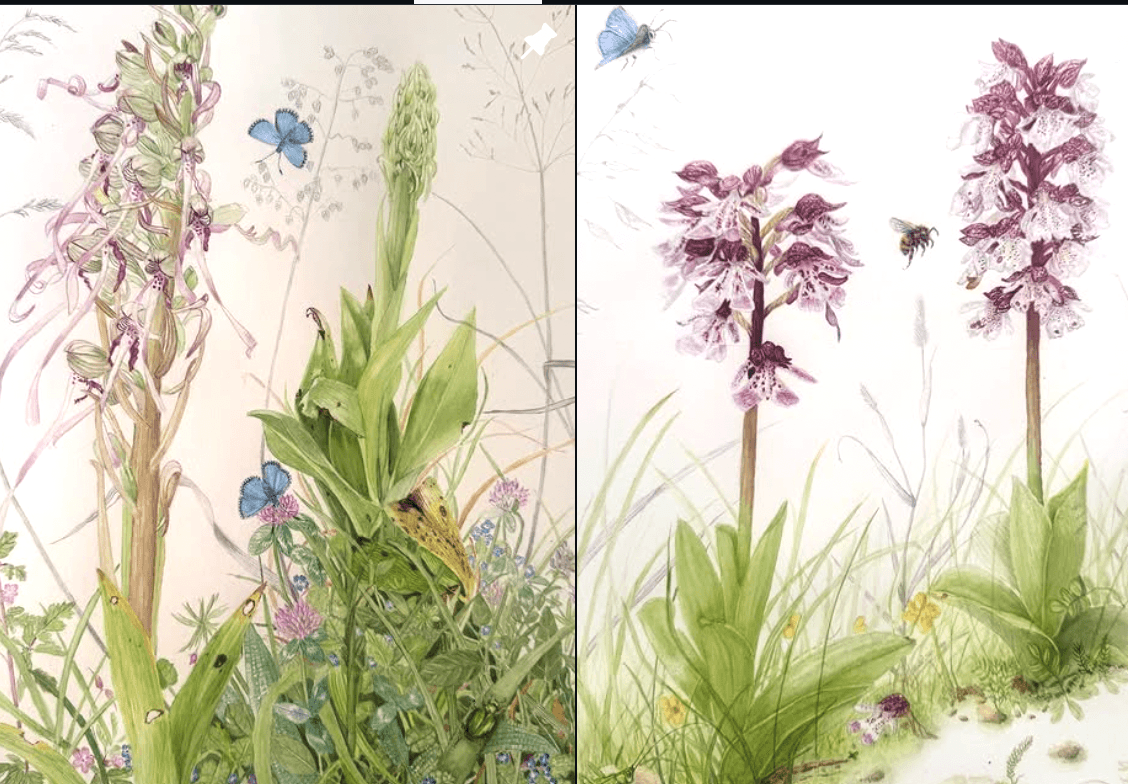
Botanical watercolour was born from a need: to record flora with exactness for naturalists, physicians and explorers. But very quickly, what could have been a purely technical exercise became an art form in its own right — where every petal, every vein, every fold of a leaf tells a story.
Working on cotton paper, choosing pigments with patience, observing a plant for hours before laying down the first line — this is a slow, contemplative discipline that demands as much humility as it does precision.
To paint a flower well, you must first learn to look at it for a very long time.
A discipline between art and science
The great botanical illustrators — Pierre-Joseph Redouté, Marianne North, Margaret Mee — were at once scientists and poets. Their plates served herbaria and academic publications, yet their beauty hangs in museums today.
What distinguishes botanical illustration from simple flower painting is exactness: the number of petals, the arrangement of stamens, the angle of the leaves — everything is measured, everything matters.
The studio's approach
In this studio, I draw inspiration from the great British and French tradition of the nineteenth century, while searching for my own voice: that of a painter in love with wild flora, fascinated by native orchids and the meadow flowers that no one looks at anymore.
Each painting begins with walks and sketches in situ, then long hours of work in the quiet of the studio, layer after layer of transparent pigment.
Soria Givord
Botanical painter